

How to Teach a Cooking Class
Got a passion for food and a flair for teaching? Let’s turn your kitchen into a stage and your skills into a sell-out show.

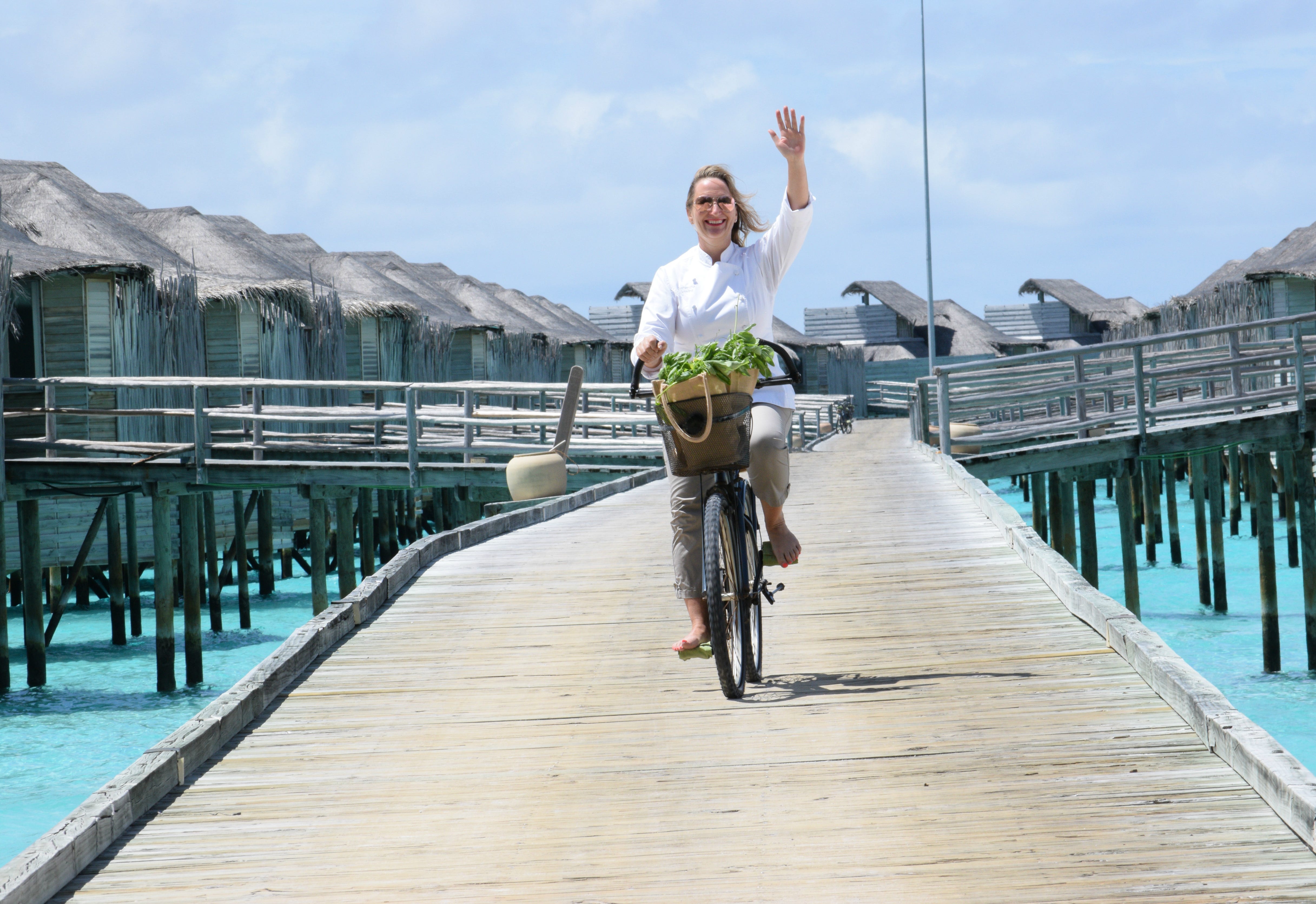
Teaching a cooking class isn’t just about recipes — it’s about creating an experience people will never forget. I’ve been teaching since 1999, from Melbourne to the Maldives, and I’ve seen what works… and what flops.
When I arrived in Phuket, my luggage didn’t make it. No knives, no aprons, no ingredients… nothing! But that didn’t stop the class. I taught with what I had: borrowed equipment, a men’s shirt from the hotel gift shop and a borrowed an apron, and whatever local ingredients were on hand.
Sometimes teaching is about creativity and improvisation as much as it is about technique — and the students loved it. That’s the spirit I bring to every class, and exactly what you’ll learn in The Wellness Chef online course.
Whether I’m teaching in Phuket with borrowed equipment or running classes at luxury resorts, the principles are the same: clarity, preparation, and connection.
A great class isn’t just about following a recipe — it’s about creating moments your students will remember, from the first demonstration to the last bite.
Over the years, I’ve taught Japanese cuisine, Asian knife skills, and regional Southeast Asian cookery — from small boutique classes to corporate events and international retreats.
Each experience has taught me what students love, what keeps them engaged, and how to deliver a class that feels effortless yet inspiring.
In this post, I’m going to give you my 7-step blueprint to teaching a cooking class that people will rave about — the same principles I cover in my online course, The Wellness Chef.
Step 1 – Get Clear
Trying to launch a kombucha workshop during Oktoberfest isn’t going to fill seats. Your niche must match both your expertise and your market, so find your niche and own it.
Before you order your first bag of gluten-free flour, you need to ask yourself two questions:
Ask yourself:
What am I genuinely good at?
Will it sell?
Who is my target market?
My niche is food as medicine, especially using the healing properties of Japanese ingredients. I learned the cuisine on the restaurant floor when I managed a Japanese restaurant in Melbourne in 1985. I spoke a little Japanese, wore a kimono every day and cooked traditional recipes including Sukiyaki, Shabu Shabu and Yosenabe right at the table — sadly, no photos — but the experience made me completely at ease teaching in front of a crowd.
Once you know your niche, the rest of the class design process flows much more easily.
Continue reading →
This post is for paid subscribers.
2. Get Classy
Attend other classes, watch online tutorials, and study professional chefs in action. Pay attention not just to the food but to how they engage the audience — timing, pacing, humour, and storytelling are just as important as knife skills.
Think about the “little things” that make a big impact:
Demonstrating a kitchen hack like peeling ginger efficiently, zesting citrus, or mastering a quick mise en place.
Sharing tips that make cooking easier for home cooks.
Creating moments that feel like insider secrets — students love these, and they often become the most talked-about part of your class.
3. Get Smart
You don’t need to be a Michelin-star chef, but you do need knowledge, credibility, and confidence. Students notice when a teacher knows their craft deeply.
Consider:
Taking a Certificate IV in Training & Assessment to structure your modules and lessons professionally.
Building a strong foundation in your niche — nutrition, regional cuisine, or wellness cooking — so you can answer questions authoritatively.
Practising how to explain techniques clearly, step by step, so students feel empowered, not overwhelmed.
The more confident and informed you are, the smoother your class runs and the better the student experience.
4. Get Savvy
Pre-class logistics are crucial. Think of your class as a mini production:
How will students discover your class? Online, word-of-mouth, newsletters, social media?
How do bookings and payments work? Make it seamless and professional.
Can students reach you with questions before the class? Responding quickly builds trust and reassurance.
Study how other successful instructors run their business. Take notes, adapt the best strategies to your style, and add your personal flair.
5. Get Insured
Safety and compliance are non-negotiable. Check your:
Public liability insurance — essential for any cooking event.
Medical malpractice or professional indemnity insurance — if you give nutrition or dietary advice.
Venue insurance — if using council or hired kitchens.
Always bring your own first aid kit. Even experienced cooks nick themselves; being prepared ensures everyone’s safety and protects your reputation.
6. Get Practice
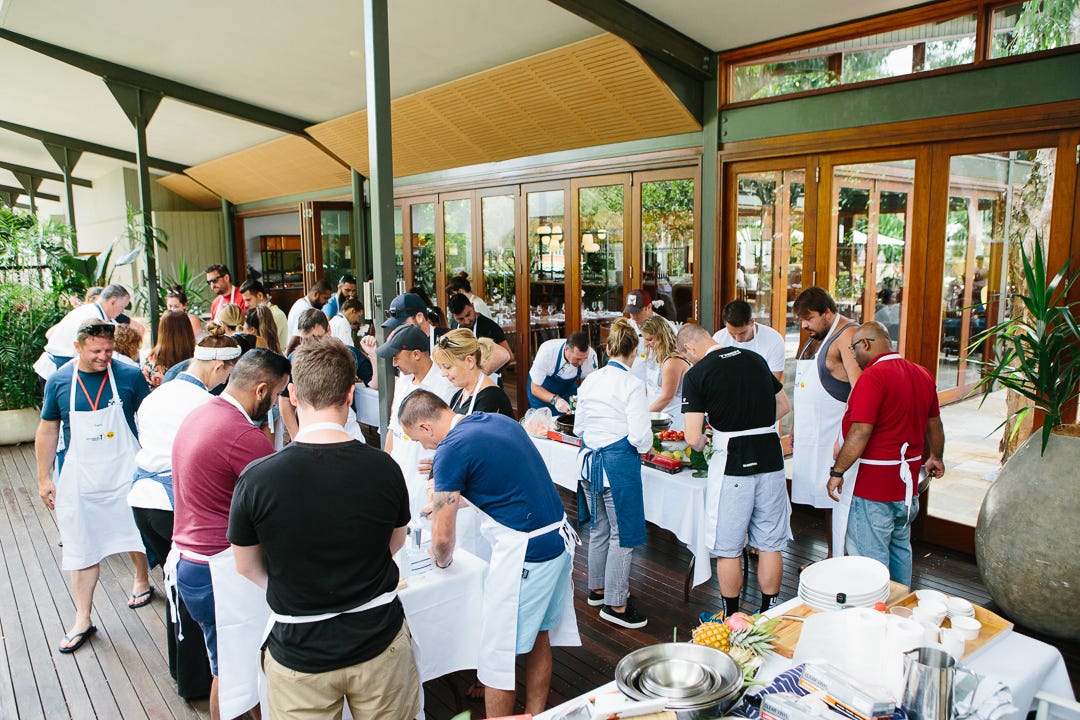
Practice is everything. Start with four recipes for a three-hour class. Don’t try to do too much on your first run — less is more.
Master your “show plates” until you can teach them confidently without referring to notes.
Time each step so your class flows naturally from start to finish.
Prepare optional extras — like a surprise dressing or quick smoothie — if there’s time.
Rehearse interacting with students: answering questions, offering encouragement, and keeping energy high.
7. Get Your Brand Together
Your “why” drives your message. Are you:
A naturopath using live classes to promote your clinic?
A cookbook author showcasing recipes and techniques?
A tourism operator selling unique food experiences?
A humble chef trying to survive in a pandemic? See VDO above!
Consistency is key:
Populate social media with real photos of your classes and dishes.
Collect testimonials from every class.
Pitch stories to local media about why your expertise matters.
Create business cards, flyers, and a clear online presence.
Your brand should tell the story of who you are, what you offer, and why people should choose you.
Cooking Class Startup Checklist
Refine your specialised class offer – Clearly define what makes your class unique and why students will choose you.
Identify your best-selling recipe and why it works – Know which dishes excite students most and how to highlight them in your marketing.
Set your ticket price (research competitors) – Price strategically: competitive, fair, and reflective of the value you provide.
Calculate your yearly income target → divide by number of classes – Turn your financial goals into a concrete rate per class.
Create multiple packages – Offer options: single classes, series, or VIP experiences to appeal to different students.
Pitch to dream clients & venues – Target the locations and audiences you most want to work with and make a compelling case for your expertise.
Get visible: List your classes on TripAdvisor, Google, and local directories – Collect feedback after every session, showcase testimonials, and continuously attract new students.
👉🏼 Download Your Cooking Class Checklist
Ready to plan a class that sells out? This handy checklist walks you through every step — from crafting your best recipes and setting the right price, to finding your dream clients and collecting glowing testimonials. Print it, follow it, and watch your classes go from concept to unforgettable experiences your students will rave about.
Want to shortcut the trial and error?
My online course The Wellness Chef is the complete step-by-step guide to teaching cooking classes that sell out. You’ll learn:
Designing irresistible menus
Pricing for profit
Marketing strategies that work
Delivering unforgettable live experiences
Access to templates and insider tips from 40 years in the industry
🎓 Start learning today → Join The Wellness Chef

Why The Wellness Chef Is More Than Just Cooking Classes
When you join The Wellness Chef, you’re not just learning to teach cooking — you’re building a complete wellness-focused culinary business. Here’s what the course covers:
📚 Publish Your Passion
Learn how to self-publish your recipes, guides, or wellness content — both print and online. Get your product out there and market it effectively.
🌏 Discover Wellness Tourism
The global wellness economy is booming — estimated at $5.6 trillion. Learn how to carve your slice of this lucrative market using proven methods for spa cuisine and wellness experiences.
👩🍳 Teach A Cooking Class
This module is bursting with tips, tricks, and insider know-how to launch a cooking class revenue stream. Includes exclusive “how-to” videos and step-by-step guidance.
🧪 Product Development
Understand consumer demand for clean flavours and transparency. Learn to create authentic, handcrafted wellness products with a contemporary health twist.
⚙️ Kitchen Systems
Master systems for an organised, efficient kitchen — from storage and prep to cooking and cleaning. Streamline workflow, reduce waste, and ensure food safety.
🤝 Collaborate Well
Learn to collaborate effectively across the industry. Pool expertise, innovate, and create comprehensive solutions while increasing efficiency and cost-effectiveness.
Take your teaching to the next level
The Wellness Chef gives you the full blueprint — text, videos, templates, and insider tips — to create a business that inspires, delights, and sells.
🎓 Enrol now → Join The Wellness Chef